How to Fix a Noisy Bathroom Exhaust Fan Vent
How to fix a noisy bathroom exhaust fan vent: In many cases, fixing a noisy bathroom exhaust fan vent takes 1 simple inspection and 1 to 2 small repairs…
Last updated: November 12, 2026
Quick Answer: In many cases, fixing a noisy bathroom exhaust fan vent takes 1 simple inspection and 1 to 2 small repairs, such as tightening loose ducting, cleaning the cap, or stopping damper chatter. A noisy bathroom exhaust fan vent usually means loose ducting, a rattling backdraft damper, wind at the vent cap, or a blocked cap. To fix a noisy bathroom exhaust fan vent, start with the least expensive checks and work outward until the noise stops. The steps below sort out what to tighten, clean, seal, or replace.
Key takeaways
- Vent noise is often a duct problem, not a bad motor.
- Loose foil duct, a sloppy hanger, or a bent damper flap can sound like a bad fan.
- Wind noise usually points to the vent cap or the way the cap faces the weather.
- A 10-minute inspection with a flashlight and a ladder is often enough to find the cause.
- If the duct is crushed, disconnected, or soaked with condensation, the repair is bigger than a quick tune-up.
First, find the kind of noise coming from the vent
Because vent noise can come from the duct or cap, start by listening while the fan runs. If the noise gets louder when you close the door or when a gust hits the house, that usually means vent noise from the duct or cap, not the fan motor itself. The sound helps narrow the fix fast.
A steady buzz often comes from vibration in the duct. A sharp flap or ticking sound usually points to a backdraft damper. A rushing or whistling sound often comes from the vent cap outside, especially if debris or ice is part of the problem.
Listen in 3 places:
- At the grille inside the bathroom.
- Under the attic or crawlspace, if the duct is visible.
- At the outside wall or roof cap.
If the noise is loudest right at the fan housing, the issue may be the fan assembly and not the vent run. If the noise changes with wind, start at the exterior cap. If you hear a rattle only when the fan starts or stops, the damper is the better suspect.
How do I fix a noisy bathroom exhaust fan vent?
You fix a noisy bathroom exhaust fan vent by tightening loose ducting, stabilizing the hanger, cleaning the cap, and stopping damper chatter before you replace parts. Start with the easy checks, because many vent noises come from a 1-inch gap or a loose strap, not a failed system.
Here’s the catch: don’t skip to replacement until you’ve looked at the duct path. A $5 clamp can solve what sounds like a $300 problem.
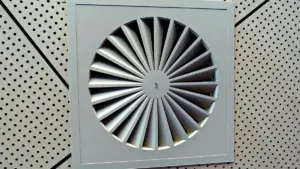
- Turn the fan off and inspect the grille. Remove the cover and look for dust, loose screws, or an obvious flap of flex duct near the fan housing. If the grille itself rattles, tighten the cover tabs or screws first.
- Check the duct connection at the fan. A loose joint can buzz under airflow. Tighten the clamp or foil tape connection so the duct sits straight and does not slap the housing.
- Support the duct with a duct hanger. If the duct hangs long between supports, add a hanger so it doesn’t vibrate against framing. The goal is a smooth run with no sagging loop.
- Inspect the backdraft damper. A damper blade that swings too freely can chatter. Clean lint from the hinge area and make sure the blade moves once, not repeatedly.
- Open the vent cap and clean it. Remove debris from the cap if present. A blocked cap can whistle, strain airflow, and make the damper flap harder than it should.
- Add or replace insulation around the duct. Wrap exposed duct in insulation to reduce condensation noise, stop metal-on-wood contact, and quiet vibration in cold spaces.
- Run the fan and listen again. If the noise changes but does not stop, the problem is likely a crushed duct, a bad damper, or a cap that is the wrong style for the wind exposure.
Use foil HVAC tape, not cloth duct tape, for sealing joints. If a flex duct has torn foil or a crushed section, patching it usually buys only temporary relief. A clean, straight run is quieter than a patched mess.
What causes damper rattle, and how do I stop it?
A rattling damper is usually caused by loose hinges, weak airflow control, or wind pressure at the cap. That little flap should open and close once; it should not chatter like a loose cabinet door.
Picking up from the vent check above, this sound often shows up in the attic or at the outside termination. If you’re in the attic with the fan running and the flap keeps tapping the frame, that usually means the damper is crooked, dusty, or being hit by outdoor air movement.
Try these fixes:
- Clean debris from the hinge and seat.
- Make sure the damper frame is square in the duct.
- Tighten the screws or collar that hold the assembly.
- Check that the fan is not oversized for the duct size, which can make the flap slam.
- Replace a warped damper if it no longer closes flat.
A damper that rattles in still weather is usually a fit or wear problem. A damper that rattles only on windy days points to the cap or the duct route. If the duct is too short, too rigid, or bent at a hard angle, the flap can also chatter because airflow is uneven.
Do not oil the flap unless the maker allows it. Oil can collect dust and make the problem worse. If the damper is built into the vent cap and the flap is bent, replacement of the cap assembly is usually the cleaner fix.
Why is wind making my fan vent noisy?
Wind is making your fan vent noisy because outside air is pushing against the vent cap and shaking the damper or duct. This is most common on exposed walls, roof caps, and locations that face strong seasonal wind.
On the flip side, not every windy-noise complaint means the fan is bad. The fan may be fine, and the cap is simply the wrong shape for the site. A cap with a loose flap or poor shielding can turn a normal breeze into a rattle, whistle, or thump.
Look for these clues:
- The noise gets louder on gusty days.
- The sound changes when wind hits one side of the house.
- The fan is quiet on calm days.
- The exterior cap has a loose flap or bent louvers.
A few practical fixes help here:
- Clear debris from the cap and screen.
- Check that the cap faces the intended direction and isn’t recessed behind clutter.
- Add insulation where the duct passes through cold space to reduce vibration transfer.
- Replace a weak or bent damper if wind keeps pushing it open and shut.
If the cap is in a spot that gets direct wind, the vent may need a better cap design or a shorter, straighter duct run. That’s not a quick patch job, and it may be worth calling a contractor who handles bathroom exhaust fan venting installation and repair rather than chasing the noise with tape.
What makes loose ducting so noisy?
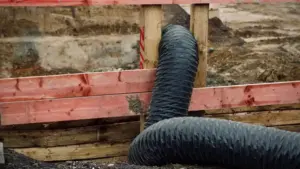
Loose ducting makes noise because the airflow shakes the duct, and the duct bumps framing, drywall, or the fan housing. A flex duct with a sagging loop can hum, slap, or flutter like a loose sail.
Because the duct can move so much, start by looking for sagging and contact points. If you open the attic hatch and see the duct drooping between supports by several inches, that sag can trap moisture, slow airflow, and add a low rumble that sounds like the fan is failing.
Fix the duct path in this order:
- Reattach any slipped connection at the fan or cap.
- Straighten sharp bends.
- Add a duct hanger where the duct sags or touches wood.
- Keep the duct from rubbing nails, truss members, or insulation baffles.
- Replace damaged flex duct if the inner liner is torn.
Loose ducting often causes more than one sound. It can buzz at startup, rattle during the run, and shake off and on when the fan cycles. If the duct is not supported, no amount of cap cleaning will fully quiet it.
A simple support fix can take 15 to 30 minutes, but a damaged or hard-to-reach attic run can take longer. If you see mold, soaked insulation, or a duct that has fallen apart near a joint, stop and get help. That is no longer a noise-only repair.
When should you stop and call a pro?
You should stop and call a pro when the noise comes with a crushed duct, a disconnected run, visible moisture damage, or a vent that is hard to reach safely. A simple rattle is a repair; a failed duct path is a small project.
The truth is, some noise problems are tied to bigger venting faults. If the fan sounds louder than it used to and you also see condensation on the grille, stained insulation, or airflow that feels weak at the room end, the duct may be undersized, blocked, or poorly routed. That’s beyond a basic tune-up.
Call for help if you find:
- A damaged or disconnected duct in the attic.
- A roof or wall cap that needs replacement.
- Water marks around the fan housing.
- A damper that won’t stay aligned after cleaning.
- A noise that still returns after tightening, cleaning, and supporting the duct.
A contractor who works on bathroom exhaust fan venting installation and repair can check the full run, not just the grille. That matters when the problem is in the attic or at the exterior cap and not at the fan itself.
How much work is this, and what should you ask before hiring?
This kind of repair is often a 1-hour service call for a simple rattle, and it can turn into a longer job if the duct, damper, or cap needs replacement. The price depends on attic access, roof access, the condition of the duct, and whether the vent cap has to be changed out.
Ask direct questions before you book:
- Will you inspect the full duct run, not just the fan housing?
- Do you check the backdraft damper and the vent cap as part of the visit?
- Will you re-support loose ducting with a proper hanger?
- If the cap is blocked or damaged, can you repair it on the spot?
- What extra charges apply for attic or roof access?
A good answer should sound specific, not vague. You want someone who can explain whether the noise is from loose ducting, damper rattle, wind noise, or a blocked cap. If the person cannot separate those causes, they may miss the real problem.
One more thing: don’t pay for a full fan replacement if the noise is only coming from the vent path. A vent problem can sound dramatic and still be a small fix. A careful diagnosis saves money and keeps the repair focused.
Why does my bathroom fan rattle when it runs?
A bathroom fan rattles when it runs because something in the vent path is shaking, and the most common culprits are the duct, the damper, or the vent cap. If the rattle starts right away, check loose connections and support first. If it starts only in wind, the outside cap is more likely.
Why is wind making my fan vent noisy?
Wind is making your fan vent noisy because outside air is pushing on the cap and damper. That can cause a flap to chatter, a louver to buzz, or a loose duct to vibrate. Clearing the cap and checking the damper usually comes before any major repair.
Can a vent cap cause bathroom fan noise?
Yes, a vent cap can cause bathroom fan noise, especially if it is clogged, bent, or exposed to strong wind. A cap that does not open and close cleanly can whistle or rattle. If the noise is worst outside the bathroom, the cap is one of the first parts to inspect.
Drafted with AI; not yet reviewed by a person.
1 thought on “How to Fix a Noisy Bathroom Exhaust Fan Vent”