How to Fix a Bathroom Exhaust Fan Backdraft
How to fix a bathroom exhaust fan backdraft usually comes down to one of three problems: a stuck damper, a leaky duct, or a vent cap that lets wind push…
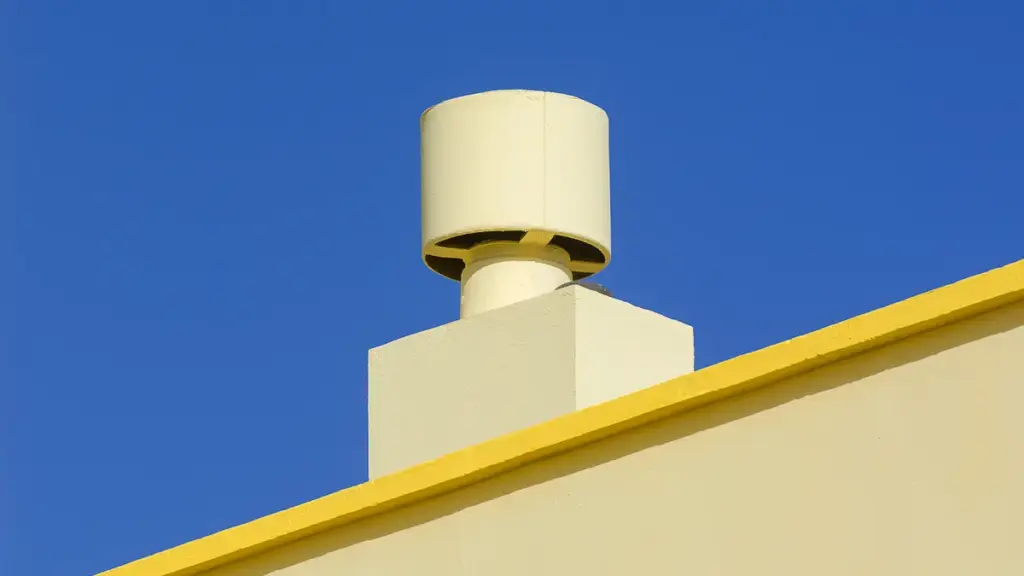
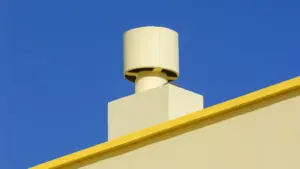
Roof vent cap on a building
Last updated: November 13, 2026
Key Takeaways
- Wind often explains why the backdraft appears only on certain days.
- You fix a bathroom exhaust fan backdraft by checking the fan, then the duct, then the attic and cap.
- Leaks and bad duct routing make backdraft easier because they open more paths for attic air and wind.
- Replace the vent cap when the flap is broken, the cap is warped, or the cap style pushes air backward.
Quick Answer
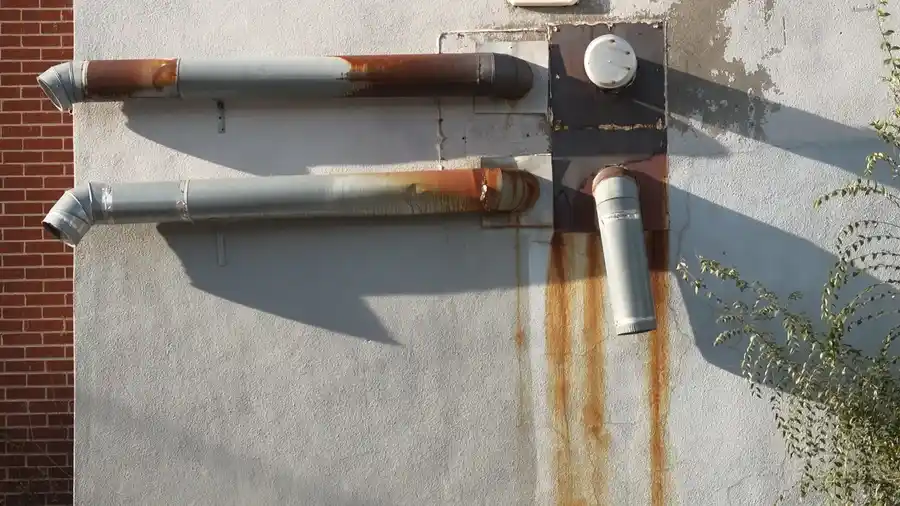
How to fix a bathroom exhaust fan backdraft usually comes down to one of three problems: a stuck damper, a leaky duct, or a vent cap that lets wind push air back in. Start with the fan, then check the duct, then inspect the cap. In one common test, a tissue should not move outward when the fan is off. If it does, reverse flow is present. The fix is often simple, but if roof access is needed, call a pro.
A bathroom exhaust fan backdraft means cold or stale air is coming back through the fan instead of leaving the room. The fix is usually a stuck damper, wind at the vent cap, or a leaky duct path. The steps below show how to find the source and stop it without guessing. This guide focuses on how to fix a bathroom exhaust fan backdraft in that order, because the problem often starts at the fan and ends at the cap.
Start with the most likely cause: the damper
Picture this: you’re standing under the fan grille and feel a cool rush on a calm day, then a stronger one when the wind picks up. That usually points to the backdraft damper in the fan housing or duct, not the motor itself.
A healthy damper opens when the fan runs and closes when it stops. If it hangs open, the attic can send air back down the duct. If it sticks shut, the fan may still run, but airflow drops hard.
- Turn the fan off and remove the grille. Look for the damper flap or spring-loaded door in the housing. It should rest closed.
- Gently move the flap by hand. It should swing freely and return on its own. If it binds, dust, paint, or a bent hinge may be the problem.
- Turn the fan on and watch the flap. It should open partway and stay clear of the air stream.
- Turn the fan off and wait 10 to 20 seconds. The flap should close again without hanging up.
- If the damper is warped, cracked, or missing, replace that part or the fan assembly if the design does not allow a separate swap.
The catch is that a dirty damper can look fine from the room side. A flashlight helps. If the flap is damaged or the spring has failed, cleaning won’t save it.
Use a vacuum brush, a damp cloth, and a bright light. Do not oil the damper unless the maker says to; oil can hold dust and make the flap stick worse. If the fan is old enough that the damper no longer seals, that part is not doing its job. For broader vent-path checks, see the bathroom exhaust fan venting maintenance page and the bathroom exhaust fan troubleshooting guide.
How do I tell if wind is forcing air back through the vent?
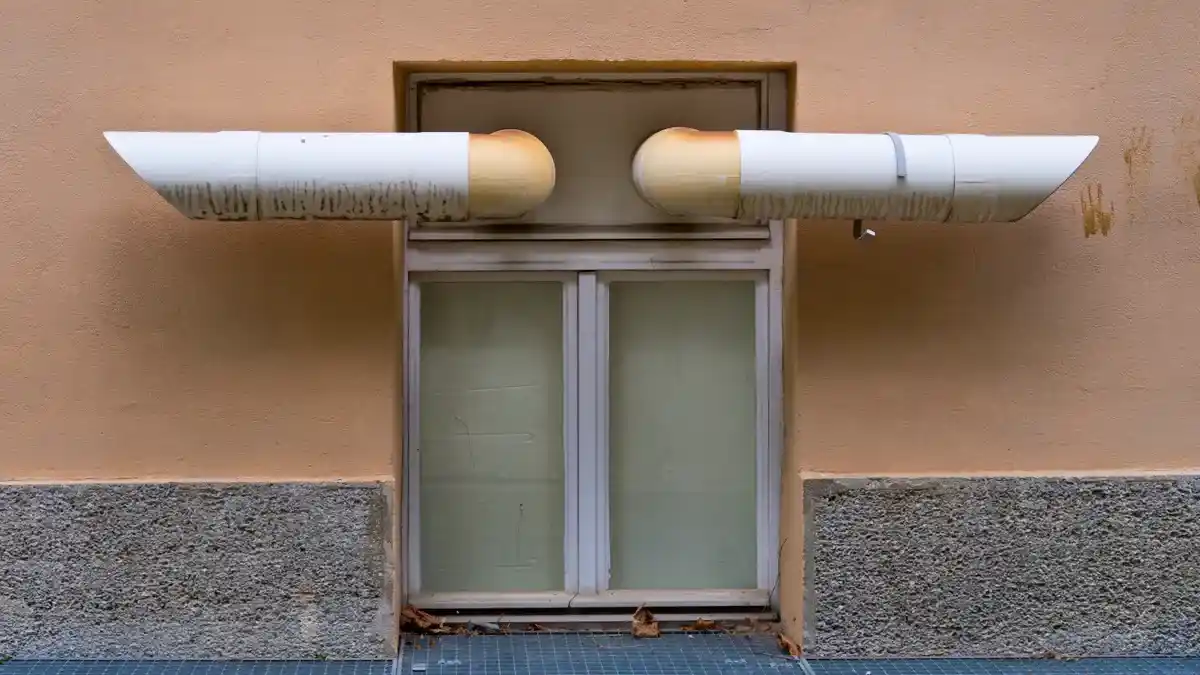
Wind is often the reason the backdraft shows up only on certain days. A roof cap or wall cap that faces a strong breeze can push air down the duct, especially if the cap has a weak flap or no working damper at the outlet.
Start with a simple check on a windy day. Hold a tissue near the grille with the fan off. If the tissue moves outward, the system is letting air in. If the air moves only when the wind rises, the vent cap is a prime suspect.
Look outside and locate the vent cap. You are checking for three things: a loose flap, a cap that points into the prevailing wind, and a screen or debris buildup that keeps the flap from closing. A cap with no working damper leaves the duct open to the weather. The U.S. Department of Energy notes that bath fans should vent outdoors, not into attics or crawlspaces, because moisture and air problems follow when they do not. See the ENERGY STAR ventilation guidance and the U.S. Department of Energy ventilation basics.
- If the cap flap hangs open, the duct can draft both ways.
- If the cap faces a strong wind path, air pressure can shove it open.
- If the cap is packed with lint or nesting material, the flap may not seat.
The best part is that a wind problem often shows a pattern. It gets worse on gusty days and calms down when the air outside settles. That pattern helps separate cap trouble from a bathroom-only issue. A simple pattern check can save a service call because it points to the cap in minutes, not hours.
A roof cap replacement is a larger job than a flap check, especially if the roof pitch is steep or the cap is hard to reach. On a wall cap, the access is easier, but you still need the right size and duct shape. If the cap is the wrong style for the duct, the backdraft can keep coming back. For a related checklist, see the bathroom exhaust fan vent cap replacement page.
How do I fix a bathroom exhaust fan backdraft step by step?
You fix a bathroom exhaust fan backdraft by working from the fan inward, then outward, then up into the attic and cap. That order catches the common failures first and avoids replacing parts you do not need.
Before you start, gather a flashlight, screwdriver, vacuum brush, foil HVAC tape or mastic, and a ladder if the vent cap is reachable from inside the attic or on a wall. If you need roof access, stop and use a pro who can work safely at height.
- Check the grille and damper. Remove lint, dust, and paint buildup from the fan opening. A clean flap should close fully after the fan stops.
- Run the fan for 1 to 2 minutes. Stand at the grille and feel the airflow. Weak pull can mean a clogged duct or a damaged damper, not just a backdraft.
- Inspect the duct in the attic. Look for sagging flex duct, crushed metal duct, or loose joints. Any gap can pull attic air into the line.
- Seal visible leaks. Use foil HVAC tape or mastic on joints, seams, and small tears. Do not use cloth duct tape; it fails in heat and dust.
- Check insulation around the duct. A bare duct in a cold attic can promote condensation and air movement around leaks.
- Inspect the vent cap outside. If the flap is stuck open or broken, replace the cap with a proper exhaust model that includes a working backdraft damper.
- Retest with the fan off. Hold a tissue at the grille and check for reverse flow. Then repeat on a windy day if possible.
Here’s the catch: a sealed duct with a bad cap still backdrafts, and a new cap on a leaky duct still backdrafts. You have to fix the whole path. That is why this problem often comes back when only one part gets attention.
If the fan housing is old, noisy, or undersized for the bathroom, a stronger replacement may be the better fix. A fan can only resist reverse flow so much if the duct layout is poor or the cap is wrong for the job. That is a design issue, not just a dirty-part issue.
What leaks and duct mistakes make backdraft worse?
Leaks and bad duct routing make backdraft easier because they give the attic and wind more openings to push through. A short leak can act like a side door, especially when the exhaust fan is off and the duct is pressurized by wind.
A common mistake is leaving the duct loose at the fan collar. Another is using a long run with sharp bends that slow the exhaust air. Slow moving air cannot close the damper as firmly and can let outside air win.
Watch for these problems in the attic:
- Loose joints: air escapes before it reaches the cap.
- Sagging flex duct: water and lint collect in the low spot.
- Crushed duct: the fan works harder and airflow drops.
- Open seams: attic air enters the stream.
- Uninsulated duct in cold space: condensation forms and can gum up the damper.
A duct that is too long or too twisty can also make the fan feel weak at the grille. That does not always mean the motor is bad. Sometimes the air path is the problem, and the backdraft is just the symptom you notice first. A common rule of thumb from exhaust-fan guidance is to keep duct runs short and smooth, because every bend adds resistance. The Home Ventilating Institute and ENERGY STAR both stress proper sizing and duct routing. See the Home Ventilating Institute and ENERGY STAR bathroom fan guidance.
The right repair here is plain work: shorten what can be shortened, straighten what can be straightened, and seal what can be sealed. Use foil HVAC tape or mastic on metal duct seams. Use clamps where the duct connects to collars. Avoid random caulk where movement is expected.
Now, you might be wondering about attic air itself. A bathroom fan that vents into the attic instead of outside will pull smells, moisture, and cold air from the attic every time it runs. That is a serious installation error, not a simple backdraft. If you see a duct ending in the attic, stop and correct the routing so the air reaches a proper outside vent cap.
When should you replace the vent cap instead of cleaning it?
You should replace the vent cap when the flap is broken, the cap is warped, or the cap style is letting wind drive air backward. Cleaning helps only when the flap moves freely and the problem is dirt, lint, or light debris.
A vent cap can fail in ways that look minor from below. The flap may stick open after a storm, the hinge may be bent, or the cap may not close tightly enough to block wind. On a roof, UV and weather can make plastic brittle over time. On a wall cap, animals can damage the flap or packing around it. The Home Ventilating Institute recommends checking that exterior terminations close properly and are matched to the fan and duct. For more on manufacturer and code-aligned venting, see the HVI resources and the International Residential Code reference page.
Replacement makes sense when:
- The flap no longer closes squarely.
- The cap is cracked or warped.
- The exhaust opening is the wrong size for the duct.
- The cap has no effective damper.
- The outside air keeps pushing through after the indoor damper is working.
A new cap is not a cure-all if the duct is leaking or the fan is weak, so a professional should check the full path when the problem keeps returning. But if the outside termination is the weak point, no amount of grille cleaning will stop the backdraft.
What does stack effect have to do with bathroom fan backdraft?
Stack effect can pull air backward through a bathroom fan when the house is warmer inside than outside. Warm air rises and exits high points in the house, which can create negative pressure in lower spaces and make weak openings act like inlets.
That is why the problem can show up most on cold mornings or during the heating season. The fan duct, especially if it runs through a cold attic, can become part of the pressure path. If the damper is weak, stack effect can nudge it open.
The fix is not just one part. Sealing leaks, insulating the duct, and making sure the damper closes properly all help reduce the pressure path. If the house is tight and other exhaust fans run at the same time, the bathroom fan can be pulled into that pressure balance too.
A practical test is simple: note when the backdraft happens. If it is tied to cold weather, strong winds, or other fans running, you are looking at pressure issues as much as part failure. That pattern helps decide whether the cap, the damper, or the duct needs the next repair.
When should you stop and get help?
You should stop when the repair needs roof access, when the duct ends in the attic, or when the fan housing is damaged enough that the damper cannot seal. These cases are bigger than a quick tune-up and can turn into water or electrical problems if handled badly. A licensed HVAC or electrical pro can also confirm whether the fan size and duct length still match the bathroom load.
Stop as well if you find mold, heavy insulation debris, or signs of condensation drip around the duct. Those are signs the system has been leaking air or moisture for a while. The right fix may include replacing duct sections, not just cleaning parts.
If you want a broader map of the system, the hub page on bathroom exhaust fan venting maintenance and troubleshooting can help you connect this problem to the rest of the vent path without guessing.
Quick checks that keep the problem from coming back
A backdraft usually comes back when the same weak spot is left in place. The fix holds when the damper closes, the duct stays sealed, and the vent cap blocks wind instead of inviting it in.
After the repair, check the fan on a calm day and again on a windy day. Listen for flap noise, feel for reverse air at the grille, and watch for moisture or dust around the opening. If the fan still pulls air backward after a clean damper, sealed duct, and sound cap, the system needs a deeper look at layout or replacement.
The truth is, most bathroom exhaust fan backdrafts are not mysterious. They are a bad seal, a weak damper, or a vent cap that lets weather push the air the wrong way.
Why is cold air coming through my bathroom fan?
Cold air is usually coming through a stuck damper, a leaky duct, or a vent cap that does not close tightly. Wind and stack effect can make it worse, especially in winter or on upper floors. If the air moves only when the weather changes, the outside termination is a strong suspect.
How do I know if the damper is failing?
A failing damper does not close cleanly, sticks partway open, or rattles when the fan stops. You may feel airflow at the grille even when the fan is off. If you can see the flap, it should move freely by hand and return to a closed position without help.
Can backdraft come from the roof cap?
Yes, the roof cap can be the source of the backdraft. A broken flap, the wrong cap style, or wind blowing across the roof can force air back down the duct. If the indoor damper looks fine but the problem stays, the roof cap deserves a close look.
Drafted with AI; not yet reviewed by a person.
3 thoughts on “How to Fix a Bathroom Exhaust Fan Backdraft”